
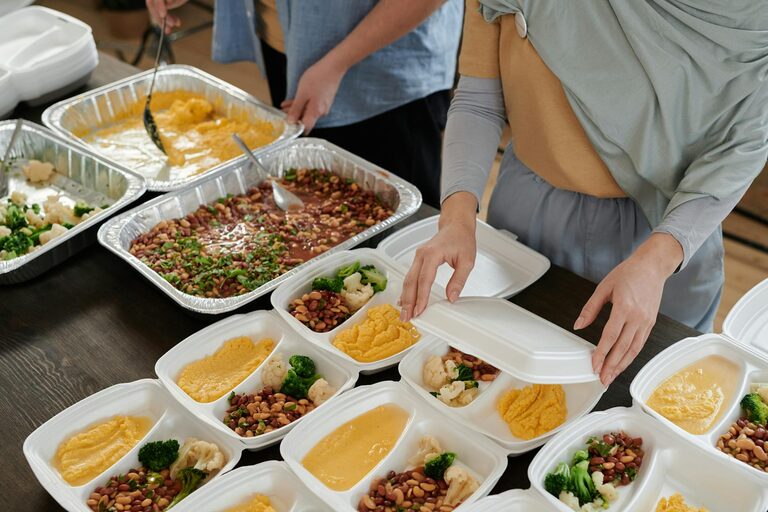
Eating balanced meals is key to feeling energized and maintaining good health. However, with busy schedules and endless choices, planning nutritious meals can sometimes feel overwhelming. The good news is that planning balanced meals doesn’t have to be complicated or stressful. With a few simple strategies, you can create satisfying, well-rounded meals that meet your nutritional needs without spending hours in the kitchen or stressing over every detail.
In this guide, we’ll explore practical tips to help you plan balanced meals easily and enjoy the process.
What Is a Balanced Meal?
Before diving into how to plan balanced meals, it helps to understand what “balanced” actually means. A balanced meal typically includes a combination of:
– Protein: Supports muscle repair and keeps you full (examples: chicken, beans, tofu, fish)
– Healthy Carbohydrates: Provide energy and fiber (examples: whole grains, vegetables, fruits)
– Healthy Fats: Help with brain function and nutrient absorption (examples: avocados, nuts, olive oil)
– Vegetables and Fruits: Supply vitamins, minerals, and antioxidants
– Hydration: Water or herbal teas to complement meals
Including these elements ensures your body gets a variety of nutrients to function well and feel satisfied.
Step 1: Plan Around What You Love and Need
Start by thinking about your favorite foods and nutritional needs. Balanced eating doesn’t mean giving up enjoyment—if you like certain vegetables or proteins, include those to make meals appealing. At the same time, consider any dietary requirements you have, such as allergies or preferences like vegetarianism or gluten-free.
Writing down a list of your preferred proteins, veggies, fruits, and grains can be a helpful reference when you plan your meals.
Step 2: Keep It Simple with the Plate Method
A simple way to visualize balanced meals is the “plate method”:
– Fill half your plate with vegetables and fruits
– Fill one-quarter with protein
– Fill one-quarter with whole grains or starchy vegetables
– Add a small portion of healthy fats
This method is easy to remember and apply, especially when cooking or eating out.
Step 3: Create a Weekly Meal Plan
Planning meals for the week ahead reduces decision fatigue and last-minute stress. Here’s how to get started:
- **Pick Your Meals:** Choose 3-4 dinners you enjoy and can prepare easily.
- **Add Lunches and Breakfasts:** Think about simple meals for these times, such as yogurt with fruit, oatmeal, or leftovers.
- **Make a Shopping List:** Include all ingredients you’ll need based on your meal choices.
Using a printable meal planner or an app can make this step easier.
Step 4: Use Batch Cooking and Meal Prep
One effective way to reduce stress is to prepare some ingredients or meals in advance:
– Cook grains like rice or quinoa in bulk.
– Roast a large batch of vegetables.
– Prepare proteins like grilled chicken or beans.
– Portion snacks such as chopped fruits or nuts.
When meal prep is done ahead, assembling meals during the week becomes quick and hassle-free.
Step 5: Mix and Match Ingredients
Versatility keeps meals interesting without extra effort. For example:
– Use roasted vegetables with quinoa one day and in a wrap the next.
– Combine grilled chicken with salad or pasta.
– Add nuts or seeds to salads, stir-fries, or yogurt.
This flexibility lets you tailor meals based on what you have and your mood.
Step 6: Keep Healthy Staples on Hand
Stock your pantry, fridge, and freezer with healthy basics so you can whip up meals anytime:
– Canned beans or lentils
– Frozen vegetables and fruits
– Whole grain pasta or brown rice
– Olive oil and basic spices
– Nuts, seeds, and nut butters
A well-stocked kitchen makes balanced eating achievable even during busy weeks.
Step 7: Listen to Your Body
Balanced meals are not just about following rules—they should satisfy hunger and enjoyment. Pay attention to how you feel after eating and adjust portion sizes or food choices accordingly. Eating mindfully helps reduce overeating and ensures your body gets what it needs.
Helpful Tips to Reduce Meal Planning Stress
– Set Realistic Goals: You don’t need perfect meals every day. Aim for balance overall.
– Cook Once, Eat Twice: Plan leftovers to avoid cooking multiple times.
– Keep Some Easy Meals Ready: Have quick options like salads, sandwiches, or smoothies for busy days.
– Involve Family or Friends: Sharing meal prep can be fun and less burdensome.
– Stay Flexible: It’s okay to switch meals or eat out occasionally.
Sample Balanced Meal Ideas
Here are some quick examples to inspire your planning:
– Breakfast: Oatmeal topped with berries, chia seeds, and a dollop of yogurt
– Lunch: Quinoa salad with chickpeas, roasted veggies, feta, and olive oil dressing
– Dinner: Baked salmon, steamed broccoli, and sweet potato wedges
– Snack: Apple slices with almond butter or a handful of mixed nuts
Final Thoughts
Planning balanced meals without stress is about simple, consistent habits rather than perfection. By knowing your preferences, using easy tools like the plate method, doing a bit of prep ahead, and keeping healthy staples handy, you can enjoy nutritious meals every day with less hassle. Start small and find what works best for your lifestyle—you’ll be setting yourself up for success on your healthy eating journey!
Happy meal planning!